Color plays a powerful role in how people experience a space. In interior design, colors are not only decorative choices — they directly influence mood, energy, and even productivity. Understanding color psychology helps create spaces that feel more comfortable, balanced, and emotionally connected.
According to Architectural Digest warm colors such as beige, terracotta, and soft browns create a cozy and welcoming atmosphere, which is why they are often used in living rooms and bedrooms. Cooler shades like blue and green are associated with calmness and focus, making them popular choices for offices and workspaces.
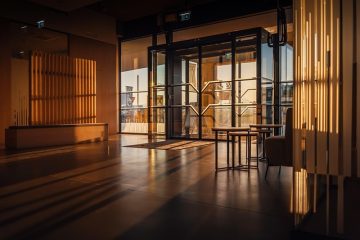
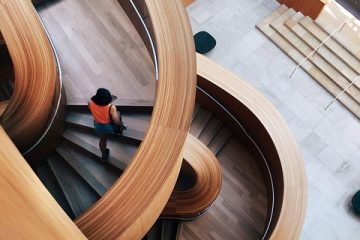
Modern interior design trends are increasingly moving toward earthy and natural tones because they create a relaxing and timeless aesthetic. Combined with natural materials like wood, stone, or linen, these colors help spaces feel warmer and more organic.
Accent colors are also an important design tool. A neutral room can instantly feel more dynamic with small additions like colorful artwork, textured pillows, or statement furniture pieces. However, balance is essential — too many strong colors can make a room feel visually overwhelming.
Social media platforms like Pinterest and Instagram have also influenced modern color trends significantly. Viral aesthetics such as “modern organic,” “Japandi,” and “quiet luxury” have increased the popularity of soft neutrals and calming palettes in contemporary interiors.
Ultimately, good interior design is not only about how a room looks, but also about how it makes people feel. The right colors can turn an ordinary space into one that feels inspiring, relaxing, and personal.
0 Comments